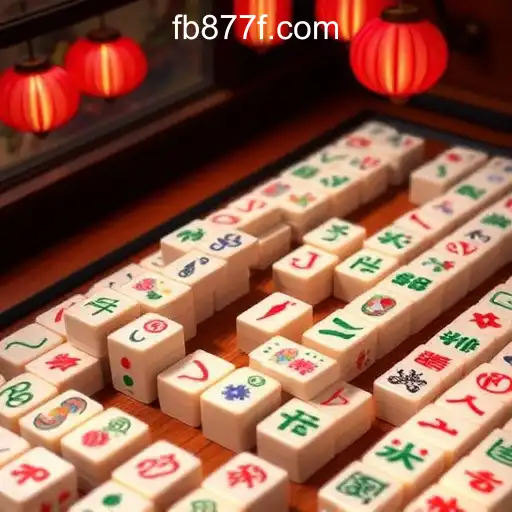
Exploring the World of Mahjong
Mahjong is a captivating and engaging game that traces its roots back to ancient China. Known for its strategic depth and rich cultural significance, Mahjong has been a cherished pastime for centuries. This article delves into the game’s historical evolution, its gameplay dynamics, and the cultural essence that has made it an enduring favorite worldwide.
The Origin and History of Mahjong
The origins of Mahjong are somewhat shrouded in mystery, but it is widely believed to have originated in China during the Qing Dynasty. The game has evolved from a series of simple card games, drawing influences from several traditional Chinese games like Pai Gow and Keno. Over the years, Mahjong transformed into a tile-based game that holds a strong aesthetic and strategic appeal.
During the early 20th century, Mahjong started gaining popularity internationally. It was introduced to the United States in the 1920s, quickly becoming a social sensation. Adapted versions of the game started appearing, with varying rules tailored to different cultural contexts. This global spread led to the establishment of different styles, including the Chinese, American, and Japanese Mahjong variations.
Gameplay Fundamentals
Mahjong is traditionally played by four players, with the primary objective being to create a winning hand by drawing and discarding tiles. Each tile set is composed of 144 tiles or more, depending on the variation of the game. The tiles are categorized into suits: Bamboos, Characters, and Dots, along with honor tiles like Winds and Dragons.
Players take turns drawing and discarding tiles, aiming to form a legal hand composed of sets and pairs. A standard winning hand typically consists of four melds and a pair, though specifics can vary by rule set. The game involves a blend of luck and strategy, with players needing to decide which tiles to keep, which to discard, and when to call for a tile discarded by others.
Cultural Significance and Variations
Mahjong is not just a game; it is a cultural artifact that embodies the social fabric of its origins. In China, Mahjong is often played during festivals and family gatherings, serving as a medium for social connection. The game is believed to enhance memory, strategy skills, and cognitive function, contributing to its popularity among people of all ages.
Adaptations and versions of Mahjong have emerged worldwide, each with its own distinctive rules and traditions. American Mahjong introduced the concept of special hands and a scoring card, adding a fresh dimension to the game. Meanwhile, Japanese Mahjong, known as Riichi Mahjong, incorporates aspects such as the "riichi" declaration, which adds an additional layer of strategy and suspense.
Mahjong in the Digital Age
With the advent of digital technology, Mahjong has transitioned into the online space, capturing a new generation of players. Platforms like 877F.com Oficial Slots Brasil #1 have embraced Mahjong in their gaming offerings. These online versions provide accessibility and convenience, allowing players to enjoy Mahjong on their devices at any time.
Digital versions of Mahjong bring enhanced features, including interactive tutorials for beginners and advanced analytics for seasoned players. The global online community offers a platform for enthusiasts to connect and compete across different regions, fostering a more inclusive and vibrant Mahjong culture.
The Future of Mahjong
As Mahjong continues to gain traction both as a traditional and digital game, the future looks promising. The blend of tradition and innovation has kept Mahjong relevant and exciting for players worldwide. With its rich history and evolving gameplay, Mahjong remains a symbol of cultural heritage and a beloved game that crosses borders.